
Halal economy, an underdeveloped sector in Tunisia
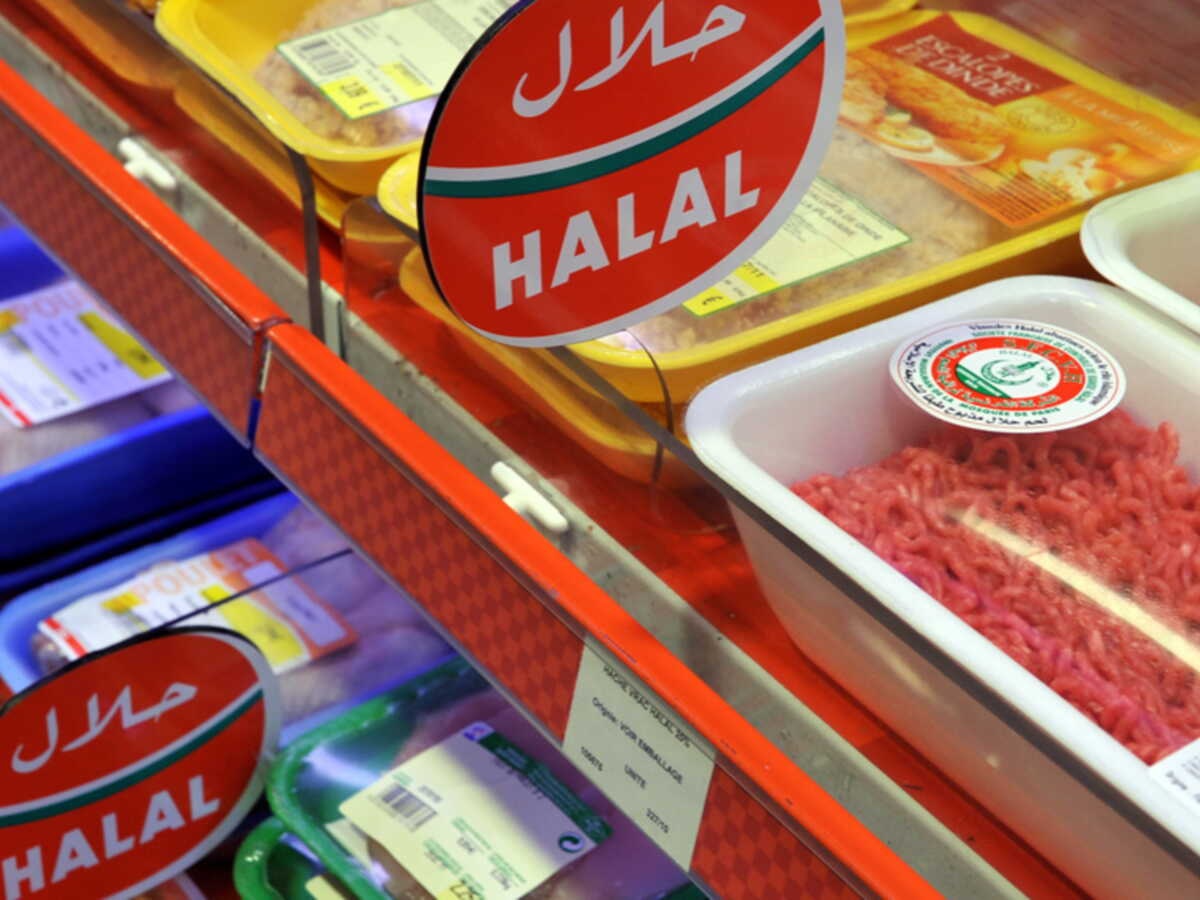
Neither untapped nor sufficiently exploited, Tunisia’s halal market falls somewhere in between, even though the country is generally considered to have the potential to join the ranks of major players, or at least make significant inroads into the trade of Halal-certified products, said Mamoudou Bocar Sall, Deputy Director General of the Islamic Centre for Development of Trade (ICDT).
He noted that global trade in Halal products is estimated at $9 billion annually.
The main products and services with export potential include agri-food products, olive oil, seafood, financial services, tourism and cosmetics, he said at the opening in Tunis of the first edition of the International Halal Forum, held from September 29-30, 2026.
To achieve this, Tunisia needs to expand halal certification for agri-food products and promote their exports, as well as tourism and telecommunications services, while developing logistics, the official added.
He also advocated agreements between Tunisia and other member states of the Organization of Islamic Cooperation (OIC), as well as Asian, Arab and African countries.
In this regard, Sall proposed establishing a Higher Halal Council, overseen by the Ministry of Trade and Export Development and bringing together stakeholders involved in developing halal trade and industry, including UTICA, FIPA, CEPEX and the Ministry of Industry.
The aim would also be to regulate trade and investment between Tunisia and other countries, particularly OIC member states, and further develop Islamic finance through the adoption of laws and regulations governing the sector.
For his part, CEPEX CEO Mourad Ben Hassine highlighted the opportunities available to Tunisian companies to further develop the halal economy, noting that Tunisia aims to serve as a bridge between European and African countries.
The Tunisian halal economy currently comprises nearly 40 companies, compared with around 20 in 2023, he recalled.
According to Ben Hassine, Tunisia is expected to host the World Halal Summit in 2027, organized by the Standards and Metrology Institute for Islamic Countries (SMIIC).
He said CEPEX is working with the Ministry of Trade and Export Development to ensure that Tunisia hosts the international event.
Facilitating market access
Kais Belaid, President of FIBGN Global Business Network, co-organizer of the forum, said Tunisia’s Halal sector generated around TND 1.3 billion in exports, driven mainly by food products.
The challenge for Tunisia, he said, is to facilitate companies’ access to markets, standards, buyers and investors.
He added that the ambition is to make Tunis, starting in 2027, a major international hub for the Halal sector by hosting the World Halal Summit. The objective is to sign contracts, certify companies, finance projects, open markets and create jobs, he said.
According to Belaid, Muslim consumer spending reached around $2.6 trillion in 2024 and is expected to approach $3.56 trillion by 2029. Islamic finance alone is worth nearly $6 trillion. Halal consumption is growing by 6.5% annually, Islamic finance by more than 10%, and tourism by more than 11%.
He stressed the importance of trust in the halal economy, saying halal is not simply a label placed on packaging but a promise that must be upheld at every stage of the supply chain.
FIBGN also proposed turning the forum into a platform for dialogue between standardization and certification bodies, with INNORPI serving as an interlocutor to bring standards closer together and develop mutual recognition. The aim is also to reduce barriers, build greater trust and facilitate market access.
Trade and Export Development Minister Samir Abid said the next phase should focus on launching a competitive Tunisian-African halal product offering, requiring coordination among all stakeholders, including the state, businesses, professional organizations, universities, and research and training centers.
“The ministry will continue to support Tunisian companies in their efforts to develop halal trade, strengthen cooperation and diversify export products,” he concluded.
The first edition of the International Halal Forum also saw the signing of an impact financing memorandum of understanding between FIBGN and the Bank of Tunisia and the Emirates (BTE) to support project developers, enabling small and very small enterprises to access financing to develop their processes and obtain Halal certifications.
Link: https://en.africanmanager.com/halal-economy-an-underdeveloped-sector-in-tunisia/