


Halal Association Targets Hotel Certification to Tap Muslim Travel Market
Source: macaudailytimes.com, Nadia Shaw MDT, September 9, 2026
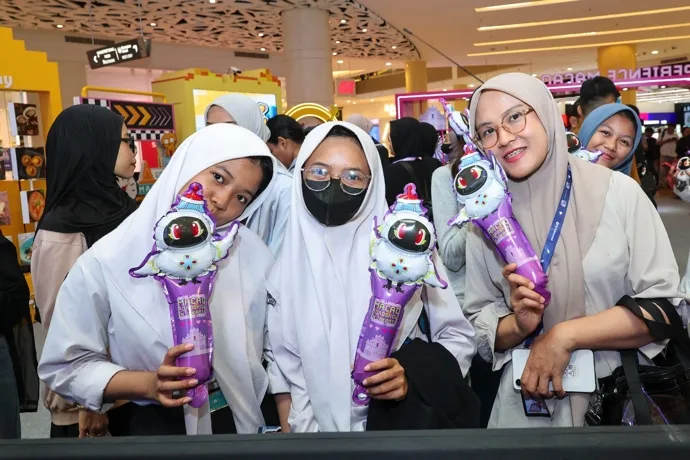
Macau’s newly formed Halal Industry Development Association will prioritize helping hotels obtain halal certification as it seeks to make the city more accessible to Muslim travelers and enable local businesses to tap into the growing halal market, its founding president said.
At the association’s inaugural general meeting, association president Chui Yuk Lum said 25 Macau food and beverage manufacturers and 10 restaurants have obtained halal certification, but no hotel in the city has yet received the designation.
To address gaps in the city’s tourism offerings, Chui said the group would follow a strategy of “starting with the easy and then moving to the difficult.” It will initially focus on food and hospitality before extending its work to areas including finance, logistics, pharmaceuticals, cosmetics, fashion, media and tourism services.
As cited by Chinese-language Macao Daily News, Chui said halal certification could help Macau businesses tap demand from the world’s Muslim population, estimated at about 2 billion. Chui cited forecasts that Muslim travel could reach 245 million travelers by 2030, with spending of $230 billion, creating significant opportunities for destinations equipped to meet these visitors’ dietary, accommodation and other faith-related requirements.
In recent years, Macau has made progress in presenting itself as a Muslim-friendly destination. The city entered the Global Muslim Travel Index for the first time in 2025, ranking 16th among non-Organization of Islamic Cooperation (OIC) destinations in the overall Muslim-friendly category.
It also ranked fifth globally among Muslim women-friendly destinations and placed among the top non-OIC destinations for Muslim-friendly accessibility.
The rankings also reflect Macau’s efforts to reach travelers from Southeast Asia and the Middle East, markets identified by the MGTO as priorities for international diversification.
Yet, the absence of halal-certified accommodation remains a practical limitation for visitors seeking assurance that dining, facilities and other services meet Islamic requirements.
Chui emphasized that the halal economy extends far beyond restaurants and hotels. Islamic finance, halal pharmaceuticals, cosmetics, Muslim-friendly tourism, cultural products and logistics could all offer growth opportunities that complement Macau’s wider economic diversification strategy.
For now, the association’s immediate focus will remain on hospitality. Hotels and restaurants are among the services Muslim visitors encounter most frequently, and expanding the supply of certified dining options and hotel facilities would help make Macau more accessible to this market, he said.
Halal certification can cover food sourcing and preparation, including the separation of utensils, kitchen equipment and storage from non-halal products. Hotels seeking to better serve Muslim guests may also provide prayer facilities, information on prayer times and nearby mosques, and clearly identified halal food options.
The association said it plans to work with professional bodies and align its efforts with government policies to support halal-industry development.
Source: macaudailytimes.com, Nadia Shaw MDT, September 9, 2026
Share This Post

Partner Events: