
K-beauty sales get glow-up as Halal certification drives popularity among Muslim consumers
Source: Korea Joongang Daily
Korean cosmetics companies are seeing high demand for certified products, with eye creams particularly popular.
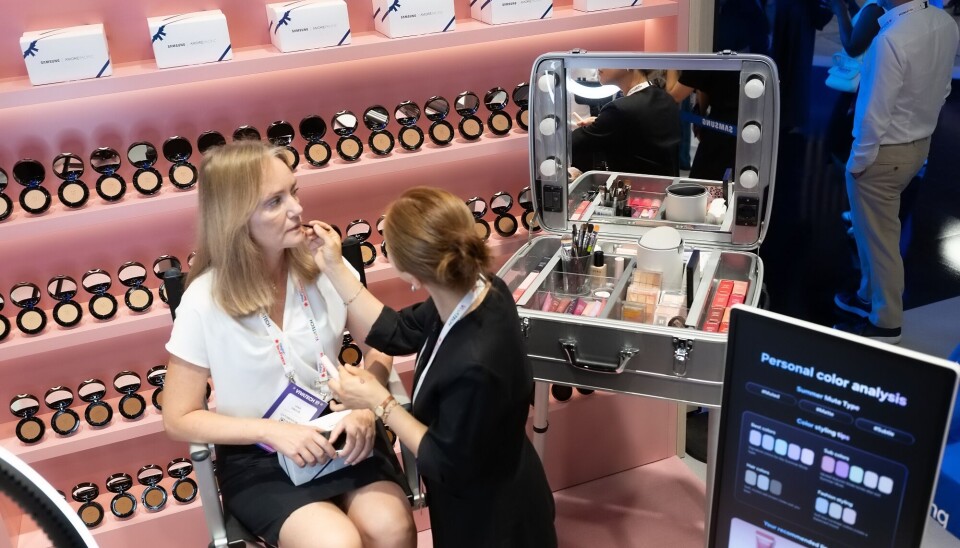
A visitor tests Samsung Electronics’ AI-powered personal cosmetics suggestion software developed with Amorepacific while exploring personalized makeup technology in Paris on June. 18.SAMSUNG ELECTRONICS
For Muslim cosmetics consumers who wear hijabs, eyes can be a focal point — and that has helped turn Korean eye creams and Halal beauty products into an unexpected hit.
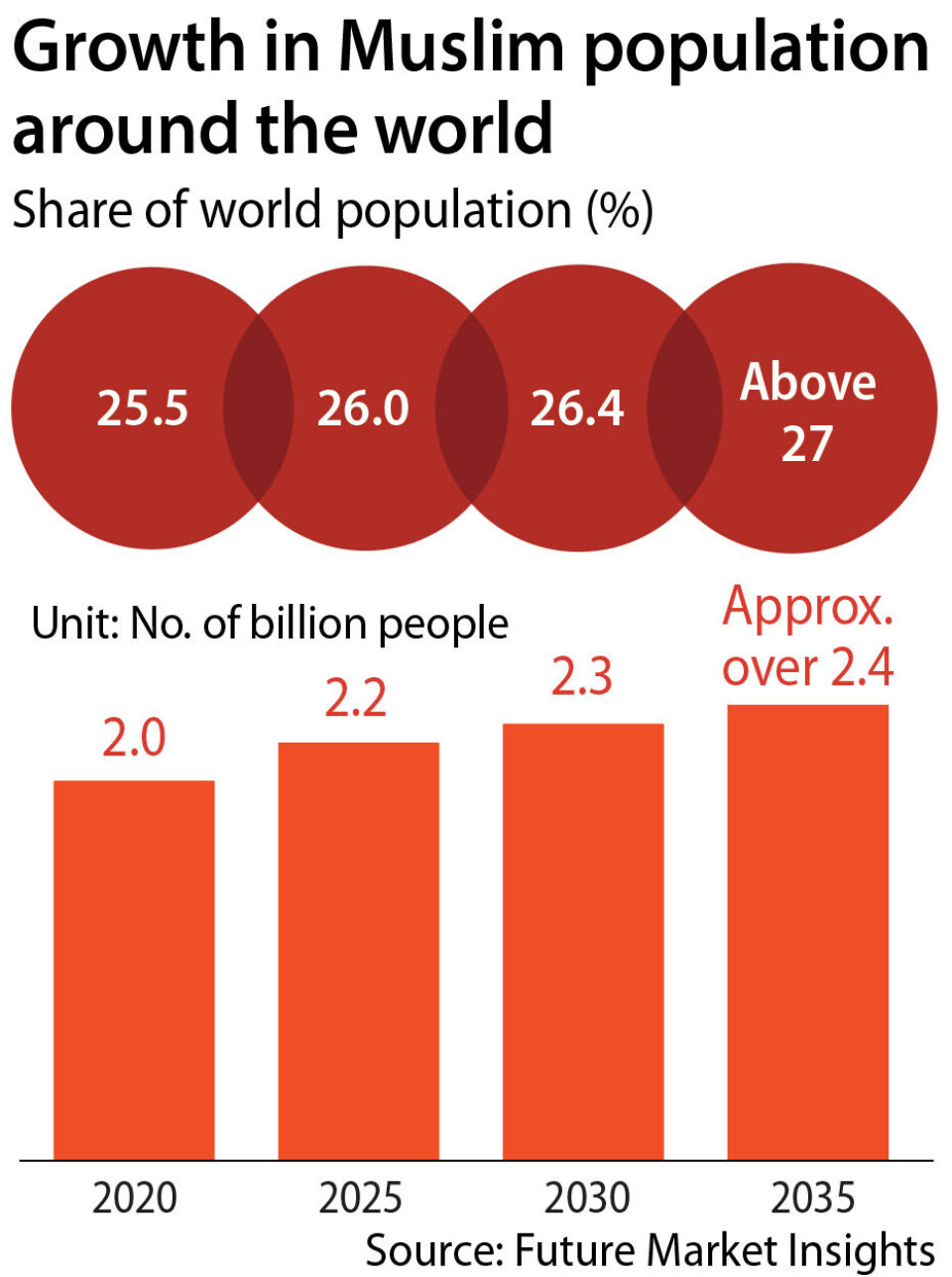
K-beauty companies are now pushing deeper into the Halal market, where strict religious standards govern everything from ingredients to manufacturing and delivery. With some 2 billion Muslims worldwide, the market is quickly emerging as a major new growth opportunity for Korea’s cosmetics industry.
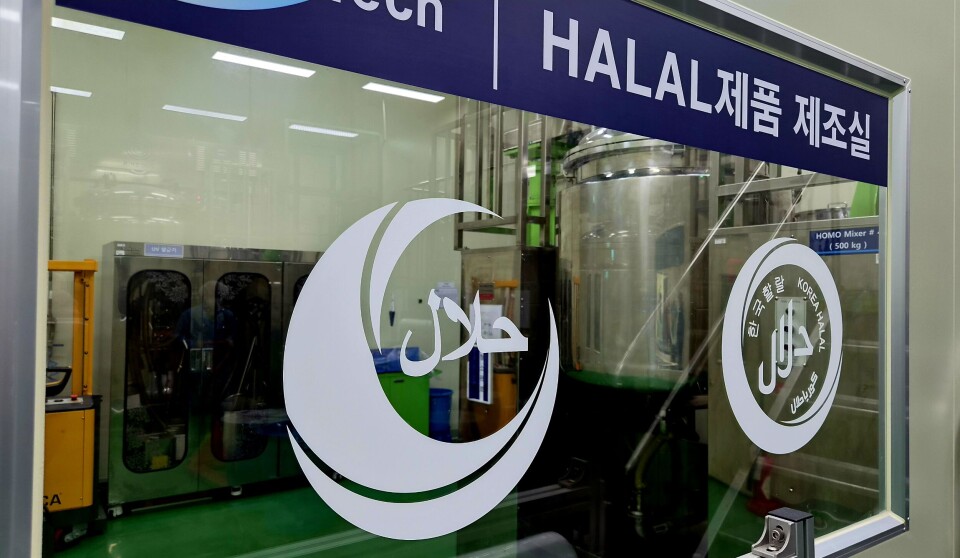
Workers were busy mixing ingredients for Halal-certified cosmetics at Pion-Tech’s factory in the Osong Life Science Complex in Cheongju, North Chungcheong, on Sept. 15.
“Unlike vegan products, which focus mainly on ingredients, halal products require strict controls from raw materials all the way through production and distribution,” Pion-Tech CEO Kim Tae-gon said. “We even set aside separate days when we produce only halal products because we want to prevent any possibility of contamination.”
Muslims can consume and use only products that are free of ingredients prohibited under Islamic law. Products made, processed and distributed in accordance with those rules are considered Halal.
Snail mucin, for example, is widely used in cosmetics for its moisturizing properties but cannot be used in halal products. Manufacturers can instead use mucin extracted from yams.
Certification can also be revoked if pork DNA is detected on a conveyor belt used for packaging or in a truck that transports finished products.
The extensive size of the market makes meeting those requirements worth it.
Pion-Tech secured $3 million in halal cosmetics orders in the two months after receiving certification in July. The company has been running its factory day and night to meet delivery schedules and is going through its busiest period since its founding in 2001.
“The restrictions are so strict that we cannot even deliver our products in a truck that previously carried sausages,” Kim said. “But orders from Islamic countries are coming in faster than we can handle them. I think $10 million in halal cosmetics orders alone next year is well within reach.”
The global Halal cosmetics market grew from $26.8 billion in 2020 to $53.1 billion last year and is projected to reach $152 billion by 2035, according to Future Market Insights.
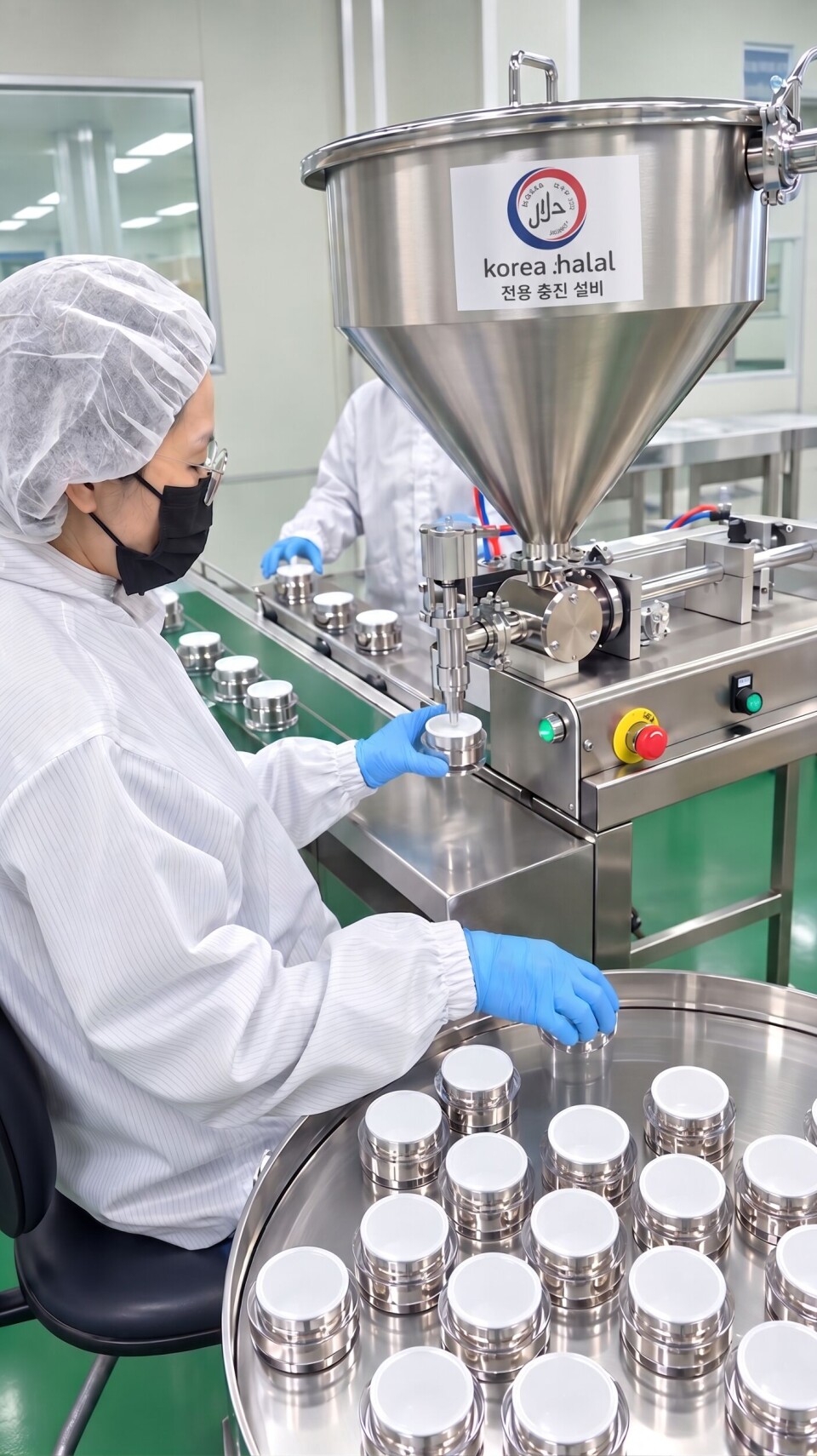
Currently, about 40 Korean cosmetics companies have received halal certification.
Cosmax produces about 3,000 types of Halal cosmetics at its factory in Indonesia. Once a new factory is completed in the first half of next year, the company will be able to produce 800 million units annually.
Notably, sales at Cosmax Indonesia climbed from 31 billion won ($22.8 million) in 2020 to 113.2 billion won in 2024. Its sales reached 51.6 billion won in the first quarter of this year.
Kolmar Korea, which manufactures cosmetics for other brands, has operated a “Halal assurance system” since 2020. The system manages everything from the selection of raw materials to production, packaging and distribution according to halal standards.
That allows client companies to make halal products without obtaining separate certification themselves.
Sales of Halal cosmetics at Kolmar Korea have grown by an annual average of 17.4 percent over the past three years. The company expects sales to rise 30 percent this year from last year.
The major force driving the demand is young Muslims between the ages of 15 and 29, who account for about 30 percent of the world’s 2 billion Muslims. Demand is pouring into Korean Halal cosmetics in light of the new compliant products.
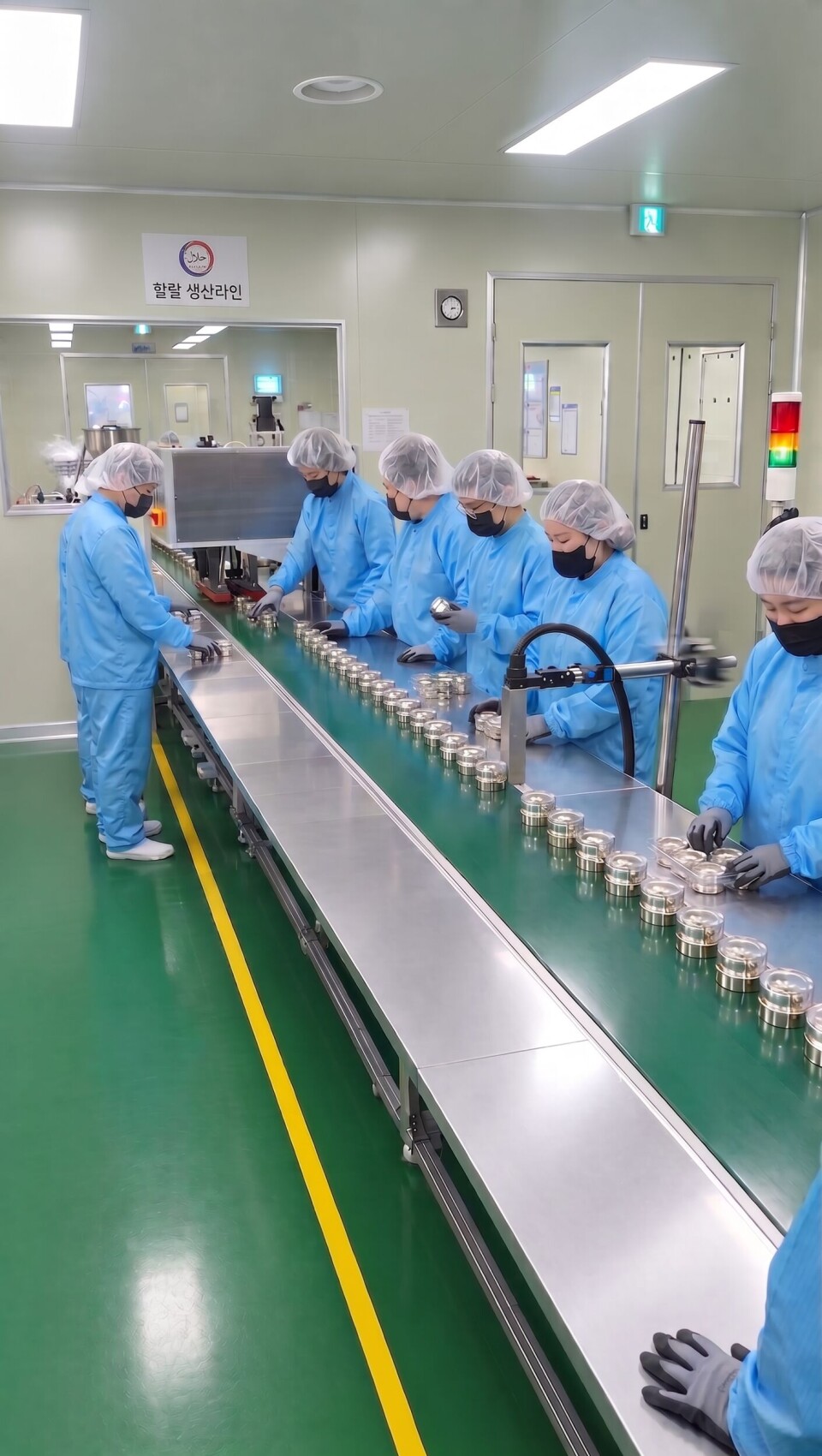
Eye products, including eye creams, are especially popular.
“In Islamic countries, functional products that target areas such as wrinkles around the eyes are hugely popular because the eyes remain visible outside the hijab,” Pion-Tech’s Kim said.
The growth of e-commerce has also made Korean cosmetics easier to buy around the world as more K-beauty brands enter global online marketplaces.
Halal cosmetics are also gaining popularity among non-Muslim consumers. Some are drawn to the products because they are made under strict rules on ingredients and are associated with plant-based beauty products.
In some areas, Halal standards are stricter than vegan standards. For example, vegan cosmetics may contain alcohol, but Halal cosmetics may not.
The barriers to entering the Halal market have also fallen.
In the past, companies seeking certification had to bring Muslim inspection teams from the importing country to Korea. Businesses had to cover airfare, lodging and other expenses for the inspectors.
The growth of Halal certification bodies in Korea has reduced that burden. However, companies must check whether their Korean Halal certifier is recognized in the country they plan to export to.
“Even within the Islamic world, market structures, consumer characteristics and regulatory environments differ from country to country,” Kang Sung-eun, a senior researcher at the Korea International Trade Association, said. “Companies need a strategic approach tailored to each local market.”
BY CHOI HYUN-JU [lee.jiwon10@joongang.co.kr]
Link: https://www.koreajoongangdaily.com/business/kbeauty-sales-get-glowup-as-halal-certification-drives-popularity-among-muslim-consumers/12893840
Share This Post

Partner Events: