


Malaysia Beats UAE, Indonesia, Singapore, Australia and New Zealand in Halal Tourism Boom, Making Muslim Friendly Destinations for Tourists, New Update is Here
By Tuhin Sarkar for travelandtourworld.com
Malaysia has emerged as the undisputed leader in the booming halal tourism sector, surpassing even the UAE, Indonesia, Singapore, Australia, and New Zealand. The country’s dedication to creating Muslim-friendly destinations has propelled it to the forefront of the global halal tourism boom, making it a top choice for Muslim travelers. Malaysia’s halal tourism offerings, from halal food and prayer facilities to religious heritage sites, have become a magnet for tourists worldwide. This new update highlights how Malaysia’s government, through agencies like Tourism Malaysia and the Islamic Tourism Centre, has transformed the country into a leading Muslim-friendly travel destination.
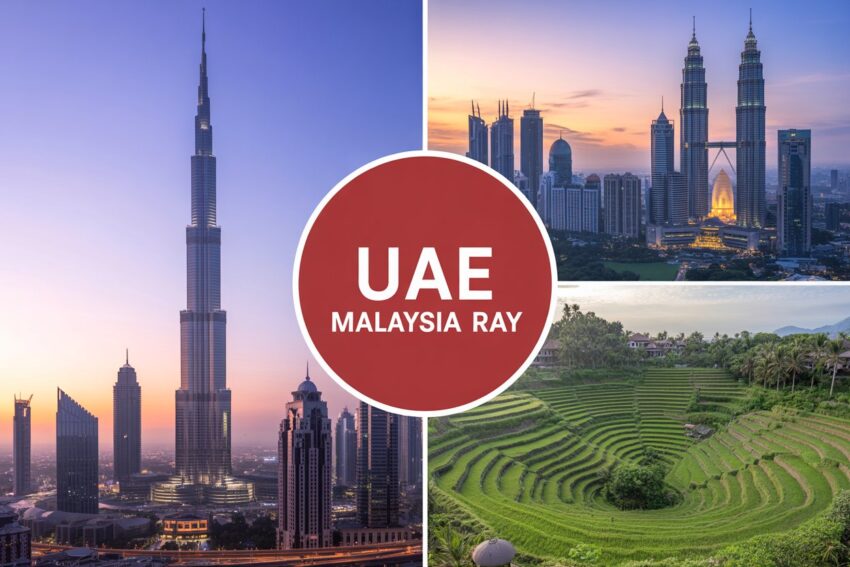
While other countries, including the UAE, Indonesia, Singapore, Australia, and New Zealand, have made strides to embrace halal tourism, Malaysia has consistently outpaced them by continuously expanding its halal-friendly infrastructure and tourism services. The focus on halal tourism in Malaysia has set a global benchmark, with tailored experiences that cater specifically to the needs of Muslim travelers. In this explosive halal tourism boom, Malaysia’s efforts ensure that it remains at the top of the Muslim-friendly travel destinations. Keep reading to find out how Malaysia is leading the way in this exciting new era of halal tourism.
Halal tourism is on the rise, and countries around the world are stepping up their game to tap into this lucrative market. From Malaysia’s strategic leadership to the UAE’s globally recognized Muslim?friendly offerings, the global tourism industry is shifting toward catering to the needs of Muslim travelers. With the highest growth in travel coming from Muslim-majority countries, halal tourism is becoming the new frontier for many nations.
Malaysia Leads the Charge in Halal Tourism Excellence
Malaysia has long been a global leader in halal tourism, and it continues to set the standard for Muslim-friendly travel experiences. The Malaysian government has consistently championed Islamic tourism, with the official tourism body, Tourism Malaysia, spearheading initiatives aimed at attracting Muslim tourists from around the world. The Islamic Tourism Centre (ITC), under the guidance of Tourism Malaysia, has become a central pillar in creating Muslim-friendly products and services throughout the country (tourism.gov.my).
The government’s approach includes halal certification for restaurants, hotels, and travel agencies to ensure Muslim travelers have access to facilities that meet their religious requirements. Malaysia’s annual Islamic Tourism Month offers a unique opportunity for travelers to explore the nation’s Muslim-friendly tourism offerings. From halal food to prayer facilities and religious heritage sites, Malaysia is the ultimate halal tourism destination.
The UAE’s Commitment to Halal Tourism for Global Travelers
The UAE stands as another powerful player in the Halal tourism sector. With Dubai as a global tourism hub, the UAE is setting trends in offering luxurious halal tourism experiences for Muslim travelers. Government institutions like the Department of Culture and Tourism in Abu Dhabi and Dubai’s tourism authorities are investing heavily in infrastructure and services that cater specifically to Muslim needs, from halal dining options to prayer spaces in malls and hotels (dct.gov.ae).
Through strategic partnerships with the World Halal Tourism Summit, the UAE promotes itself as a top destination for Muslim tourists. From high-end resorts to cultural experiences, the UAE is poised to maintain its dominance in the halal tourism market, leveraging its rich cultural diversity and religious inclusiveness. The UAE’s Halal Tourism Strategy 2031 is designed to attract more Muslim tourists while ensuring the country remains a global leader in Muslim-friendly tourism.
Indonesia’s Halal Tourism Potential Is On the Rise
Indonesia, home to the world’s largest Muslim population, is now carving its niche in the Halal tourism market. Though its approach is still emerging, the Indonesian government has begun to recognize the value of halal tourism and has launched initiatives to promote it. According to sources like Springer local governments across Java, Bali, and Sumatra have started to highlight Muslim-friendly destinations, such as mosques, Islamic heritage sites, and halal-certified eateries.
While Indonesia’s halal tourism policy is still evolving, it is gaining momentum with support from tourism-related stakeholders like the Halal Industry Development Agency (HIDA). With more local governments embracing Halal travel strategies, Indonesia is expected to compete fiercely in the halal tourism sector. The country’s rich cultural heritage, coupled with its beautiful beaches and scenic landscapes, provides an ideal backdrop for Muslim travelers seeking unique halal experiences.
Singapore’s Strategic Positioning as a Halal Tourism Destination
Singapore, though a smaller market, is rapidly gaining ground as a Muslim-friendly destination. The country’s multicultural landscape, combined with government support, ensures halal tourism continues to thrive. Singapore Tourism Board, in collaboration with local businesses, has developed halal tourism services that cater to Muslim tourists, such as Halal food guides and prayer facilities at major shopping malls and tourist spots.
The Halal Certification for restaurants and hotels, alongside events like the Singapore Halal Festival, positions the city-state as an increasingly attractive option for Muslim tourists. Singapore’s inclusive, tolerant environment makes it a welcoming destination for Muslim travelers, whether they’re visiting for family vacations, business, or religious pilgrimages.
New Zealand and Australia: Emerging Markets for Halal Tourism
New Zealand and Australia are gradually integrating Halal tourism into their national strategies. While not yet as extensive as in Malaysia or the UAE, both countries are aware of the market potential and are starting to adapt. According to a ResearchGate study, both New Zealand and Australia have begun promoting Halal tourism services, such as halal restaurants, prayer spaces, and Muslim-friendly accommodations.
As part of their diversification strategies, both countries have highlighted their cultural tolerance and multicultural societies, making them more appealing to Muslim tourists. Although they’re still in the early stages, these countries’ efforts show that Halal tourism is a key consideration in their long-term tourism growth plans.
South Korea and Japan: Taking Steps to Meet Halal Tourism Demands
Countries in East Asia, like South Korea and Japan, are also starting to recognize the importance of halal tourism. As part of their broader efforts to appeal to a global audience, both countries are introducing halal food outlets, expanding prayer spaces, and increasing Muslim-friendly tourism products. In South Korea, the Jeju Tourism Association has partnered with the Islamic Cultural Center to promote halal offerings for Muslim visitors.
Japan, on the other hand, has developed Halal-friendly packages focused on cultural and culinary experiences. As both countries continue to innovate, Muslim travelers are more likely to find welcoming environments during their visits. With government backing and a focus on cultural integration, Japan and South Korea are positioning themselves to become top contenders for halal tourism.
The Role of International Partnerships in Halal Tourism Growth
The role of global partnerships cannot be understated in the growth of halal tourism. According to the UNWTO (United Nations World Tourism Organization), strategic cooperation between countries can help standardize halal tourism services and create a more seamless experience for Muslim travelers. As nations like Malaysia, UAE, and Indonesia continue to lead, others are following by adapting their tourism policies to support halal tourism growth.
In addition, platforms like the Global Muslim Travel Index (GMTI) provide essential data for countries to measure progress and identify best practices for halal tourism development. With the backing of the UNWTO and other international tourism bodies, halal tourism is set to become a dominant force in the global travel industry.
The Future of Halal Tourism: Opportunities and Challenges
As halal tourism continues to expand, several opportunities and challenges lie ahead. The growing Muslim middle class, especially from regions like Southeast Asia and the Middle East, is expected to drive demand for more halal travel options. Governments must continue to innovate and adapt their offerings to meet the needs of this dynamic market.
The key challenge will be ensuring that local cultures and religious traditions are respected while expanding halal tourism offerings. Balancing economic growth with cultural sensitivity will be critical for maintaining the success of halal tourism in the coming years. However, with strong government support and global collaborations, the future of halal tourism looks exceptionally bright.
Share This Post


Partner Events: