Skip to Content

Malaysia: Jakim reviews procedures for recognising foreign halal certification bodies

KUALA LUMPUR: The Malaysian Islamic Development Department (Jakim) is reviewing the procedures for recognising foreign halal certification bodies (FHCBs) to ensure they remain relevant and aligned with global halal standards.

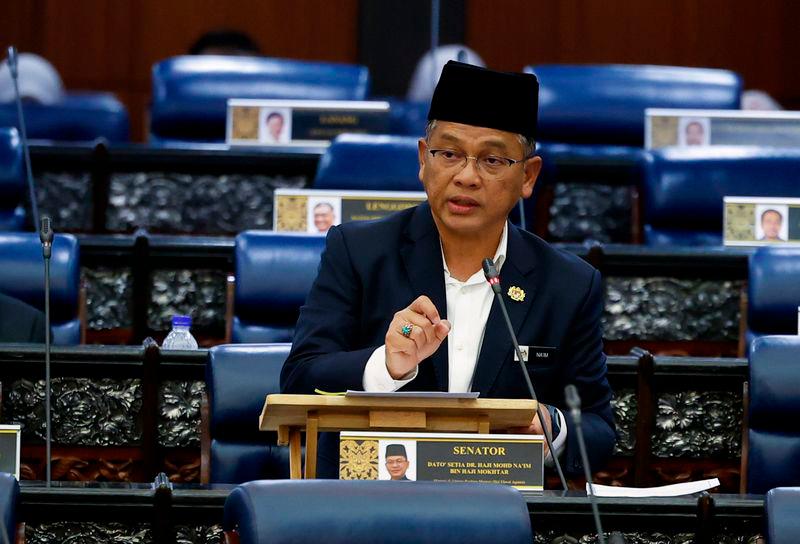
Minister in the Prime Minister’s Department (Religious Affairs), Datuk Dr Mohd Na’im Mokhtar, said that, to date, 85 foreign halal certification bodies from 47 countries are actively providing halal certification for imported products recognised by Jakim, in accordance with Order 5 of the Trade Descriptions (Certification and Marking of Halal) Order 2011.

The order stipulates that all imported food or goods marketed in Malaysia cannot be labelled as halal unless they comply with the requirements of paragraph four or are certified halal by a foreign halal certification body recognised by Jakim.

“Jakim also conducts periodic audits and inspections of recognised foreign halal certification bodies to ensure that Malaysian halal standards continue to be adhered to.

“This includes documentation audits, visits to manufacturer premises as well as continuous monitoring of foreign halal product certification.”

“Products identified as being imported into Malaysia consist of food products, consumer goods and cosmetic products. Among the food products are canned food products, sweets and dairy products.

“In addition, there are also consumer goods products such as water filters and cartridges (water filters) and cosmetic products such as toothpaste and cosmetics,” he said in response to Datuk Mumtaz Md Nawi (PN- Tumpat).

She inquired about the steps to ensure halal logos from abroad meet standards such as Jakim and plans to tighten international halal recognition procedures.

Na’im added that Jakim is also in the final stages of developing an online system for FHCB recognition applications, called MyIHAB, which aims to improve efficiency and integrity in managing the FHCB application process.

He also said Jakim is focusing on enhancing the capacity and training of foreign certification bodies to ensure they have a better understanding of and can properly apply Malaysia’s halal standards.

“Training programmes, seminars and exchanges of expertise continue to be implemented as part of efforts to strengthen Malaysia’s position as a global leader in the halal industry.

“These measures not only ensure that foreign halal logos meet Jakim standards but also enhance consumer confidence in the halal status of products imported into Malaysia.”

“The government is also strengthening international strategic cooperation with exporting countries through memorandums of cooperation signed with Muslim-majority countries such as Indonesia and Saudi Arabia.

“These memorandums of cooperation play a crucial role in facilitating cross-border access to halal products and in strengthening halal cooperation and trade at the global level.”

ARTICLE TWO

JAKIM reviews FHCB recognition procedures to align with global halal standards

Minister in the Prime Minister’s Department (Religious Affairs) Datuk Dr Mohd Na’im Mokhtar said this is necessary as Malaysia currently recognises 85 FHCB from 47 countries, which actively certify halal products imported into the country.

“JAKIM also conducts regular audits and inspections on recognised FHCB to ensure compliance with Malaysia’s halal standards. These audits cover document reviews, visits to manufacturing premises and continuous monitoring of foreign halal product certification,“ he said during a question-and-answer session in the Dewan Rakyat today.

He was replying to a question from Datuk Mumtaz Md Nawi (PN-Tumpat) on the government’s measures to ensure that foreign halal logos meet JAKIM’s standards and whether there are plans to tighten international halal certification procedures.

Additionally, Mohd Na’im said JAKIM is in the final stages of developing an online application system for FHCB recognition, called MY IHAB. The system is designed to be more systematic and will help enhance JAKIM’s efficiency and integrity in managing FHCB applications.

In response to Mumtaz’s supplementary question, he said the government is keeping up with technological advancements and is exploring the use of artificial intelligence (AI) and blockchain to strengthen real-time monitoring and compliance of FHCB.

“This initiative aligns with efforts to ensure all imported products meet JAKIM’s halal standards before entering the Malaysian market. AI enables compliance data to be automatically analysed, detects inconsistencies in certification, and issues early warnings for any non-compliance.

“Meanwhile, blockchain technology ensures that every stage of the halal supply chain is recorded and verified transparently and cannot be altered, making monitoring more efficient and reliable,“ he said.

Mohd Na’im added that JAKIM may collaborate with FHCB to integrate AI and blockchain systems, further solidifying Malaysia’s position as a global leader in technology-driven halal monitoring.

“In terms of using AI for Islamic rulings and related matters, JAKIM will carefully assess and ensure that this technology is utilised appropriately.

“Additionally, JAKIM will ensure that all data and decisions made using AI are in line with Islamic principles,“ he said.

Mumtaz had asked whether the government plans to adopt AI and blockchain technology to monitor FHCB compliance in real-time, ensuring that foreign products adhere to JAKIM’s standards.

Share This Post