
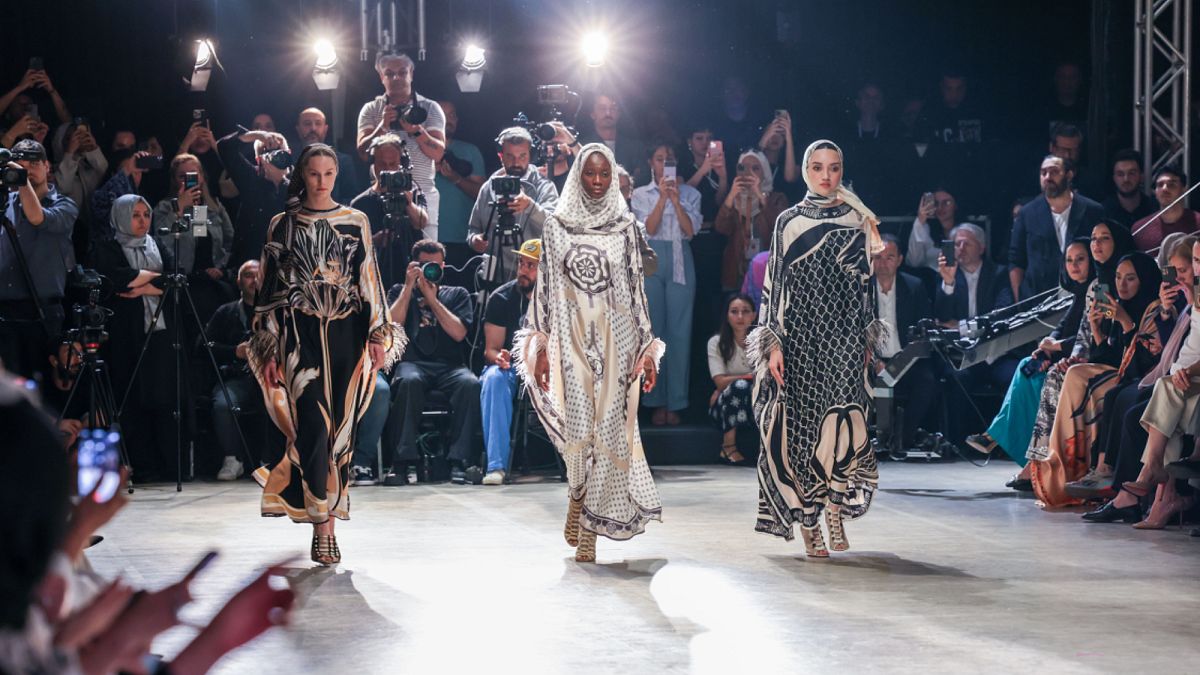
What you see as modest depends on who you are, the norms you grew up with and the ones you eventually decide to stick with.
As for the term modest fashion, it began to emerge in 2010 and went mainstream from 2015 onwards. Fast-forward a decade and Modest Fashion Weeks are cropping up around the globe, while a blossoming influencer scene burgeons in the background.
In 2024, TikTok even jumped on the modest bandwagon, with the word demure — which means “reserved, quiet, or modest” — going viral in a series of videos, before being branded Word of the Year by the website Dictionary.com.
At its core, modest fashion is about dressing stylishly in clothes that are not too revealing. For critics, the term is problematic — some don’t like the word itself, while others refuse to accept the idea that women should abide by a certain dress code.
Driven by religious shoppers
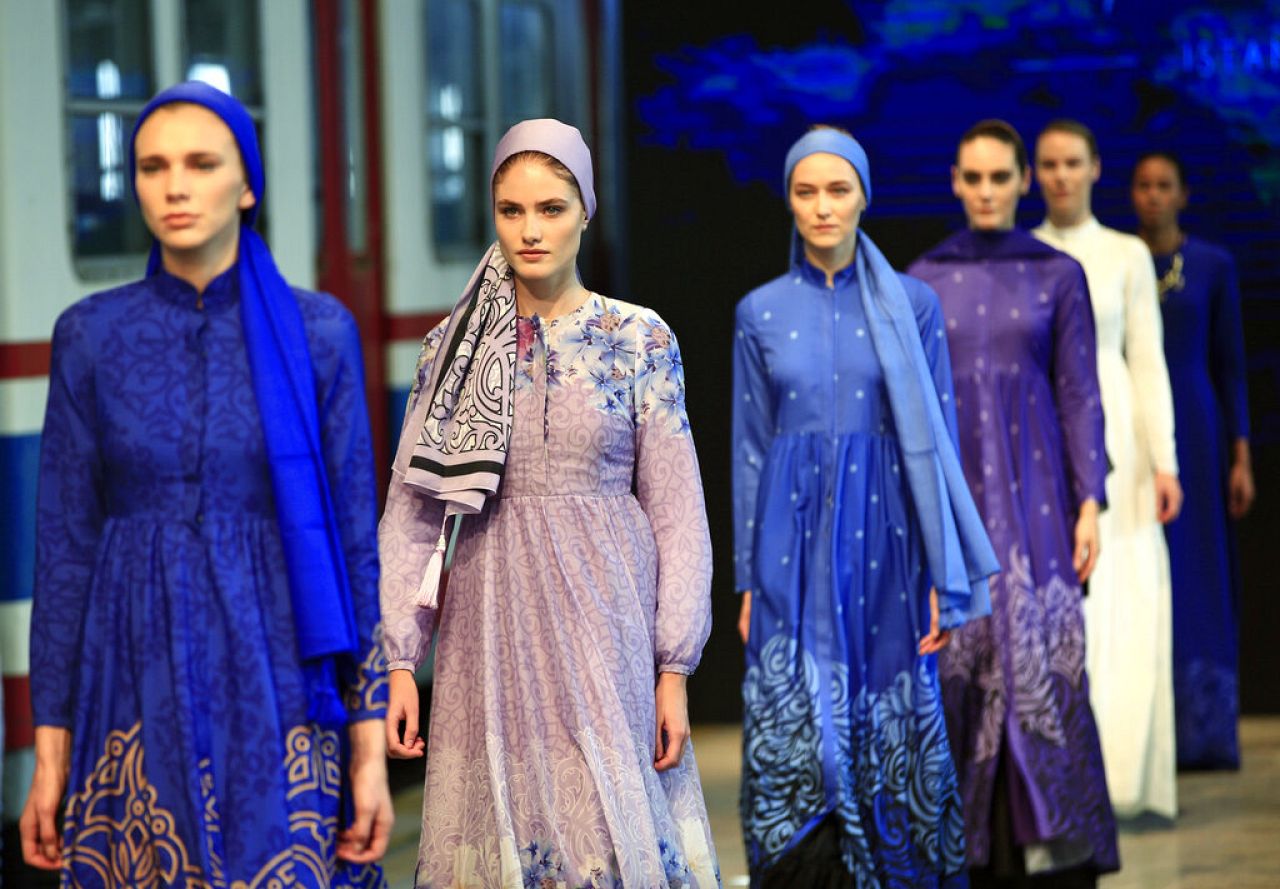
“Women have dressed according to their personal understandings of modesty or in relation to community and religious conventions about appearance for centuries, through either making or purchasing clothes,” Reina Lewis, Professor of Cultural Studies at London College of Fashion told Euronews Culture.
Modest fashion today is firmly tied to religion and targets women. Muslim women are its biggest consumers — but other religious shoppers, as well as women in search of professional attire, buy in.
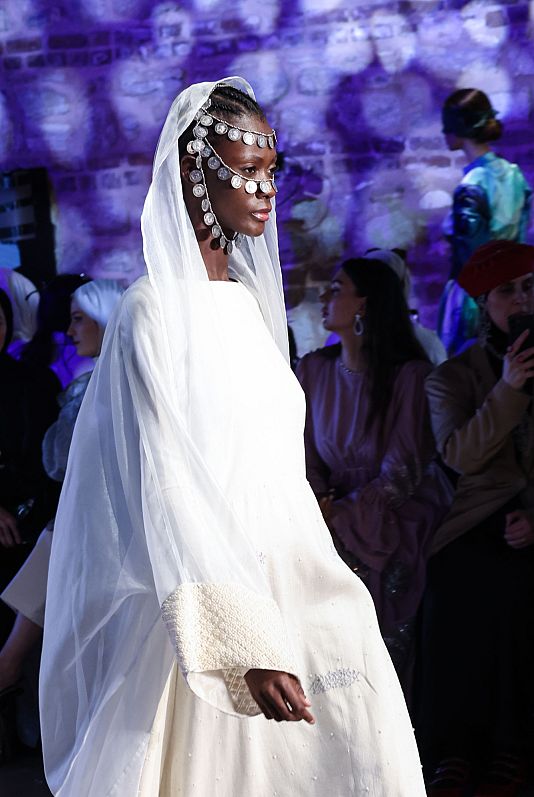
A significant proportion of the industry’s most popular brands and influencers are based in the Middle East — a region in which many countries have a conservative dress code that is part of the status quo.
A study from The Global Islamic Report estimated that Muslim shoppers spent €287 billion on the industry in 2024, forecasting a market growth of €364.5 billion this year.
The sector has also been growing in Europe, sparked by a change in mindset in the mid-2010s. “Post 9-11, the fashion industry was averse to being associated with Muslim women. But from 2015 onwards, that began to shift“, according to Lewis.
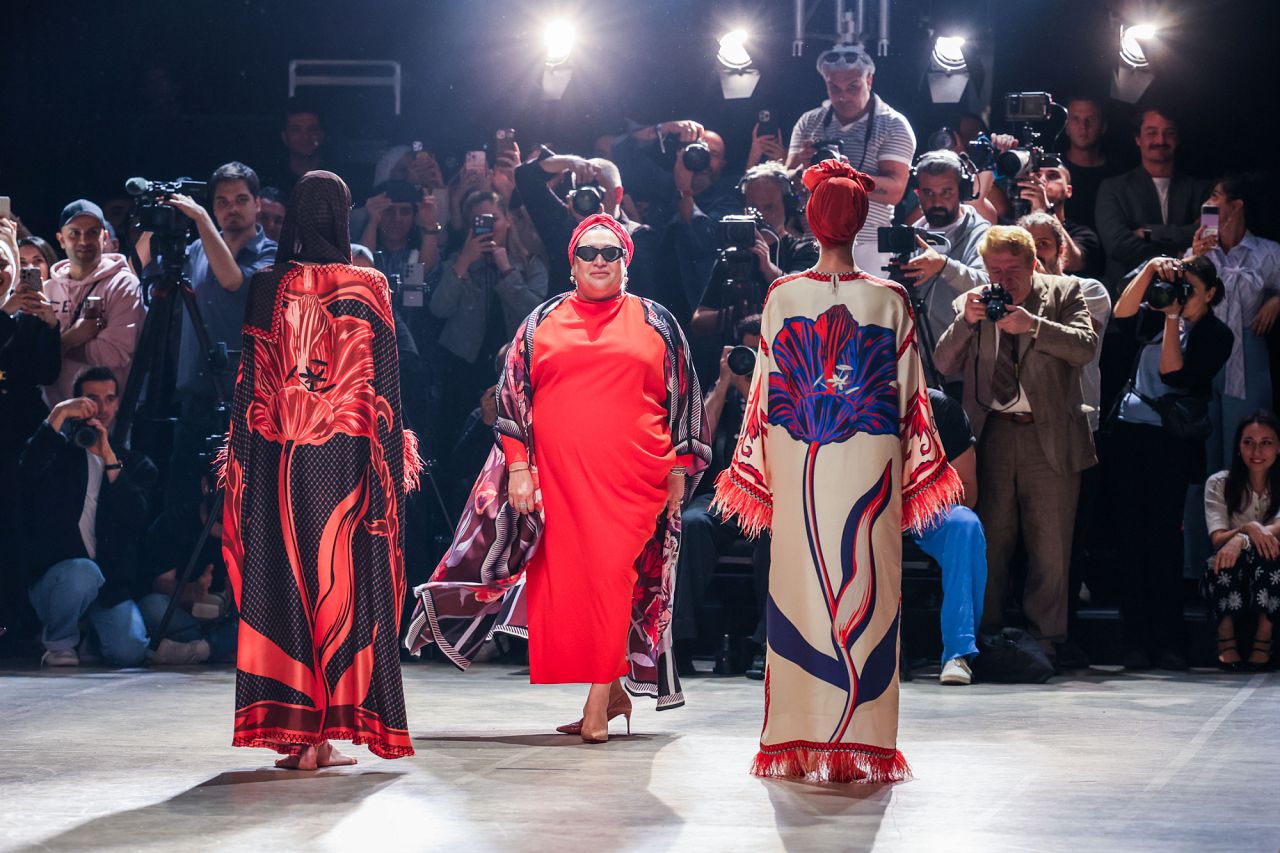
High street brands quickly got in on the action. In 2015, British-Japanese Muslim designer Hana Tajima launched a collaboration with Uniqlo in Malaysia, Singapore and Indonesia. This was the first time ever that hijabs were sold by the company, in a collection modelled by Malaysian pop star Yuna.
“From 2015 until around 2022, the modest aesthetic was having a fashion moment. Starlets and celebrities on the red carpet were more covered up. This is partly due to the constant turns in fashion trends, but it was also tied to brands noticing a new style community emerging,” explained Lewis.
Fashion goes in cycles
In 2018, supermodel Halima Aden, aged 20-years old at the time, became the first woman with a hijab to star on the cover of British Vogue — under the editorial leadership of Edward Enninful who ushered in a fresh set of diverse fashion professionals when he was appointed in 2017.
Although the cover was viewed as a landmark moment for the Western fashion industry, shortly afterwards Haden announced she was embarking on a three-year career break, citing difficulties reconciling her faith and work.
Fashion moves in cycles, and after the Covid-19 pandemic, trends swung in a different direction. “Dresses that cling to the body, that have cut outs around the ribs and the edge etc. were back in [style] once again”, Lewis told Euronews Culture.
As a 2019 study found that 86% of Muslim women reported feeling “ignored” by high street fashion in the UK, many women from religious backgrounds turned to entrepreneurialism to fill the gap in the market.
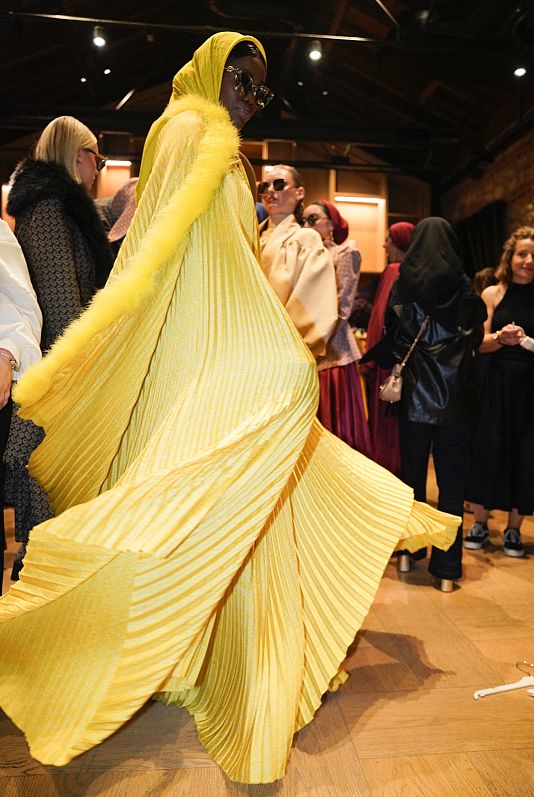
“They started up their modest fashion lines and found they appealed to consumers from other religious communities, as well as non-religious shoppers because of the easiness of online shopping,” said Lewis.